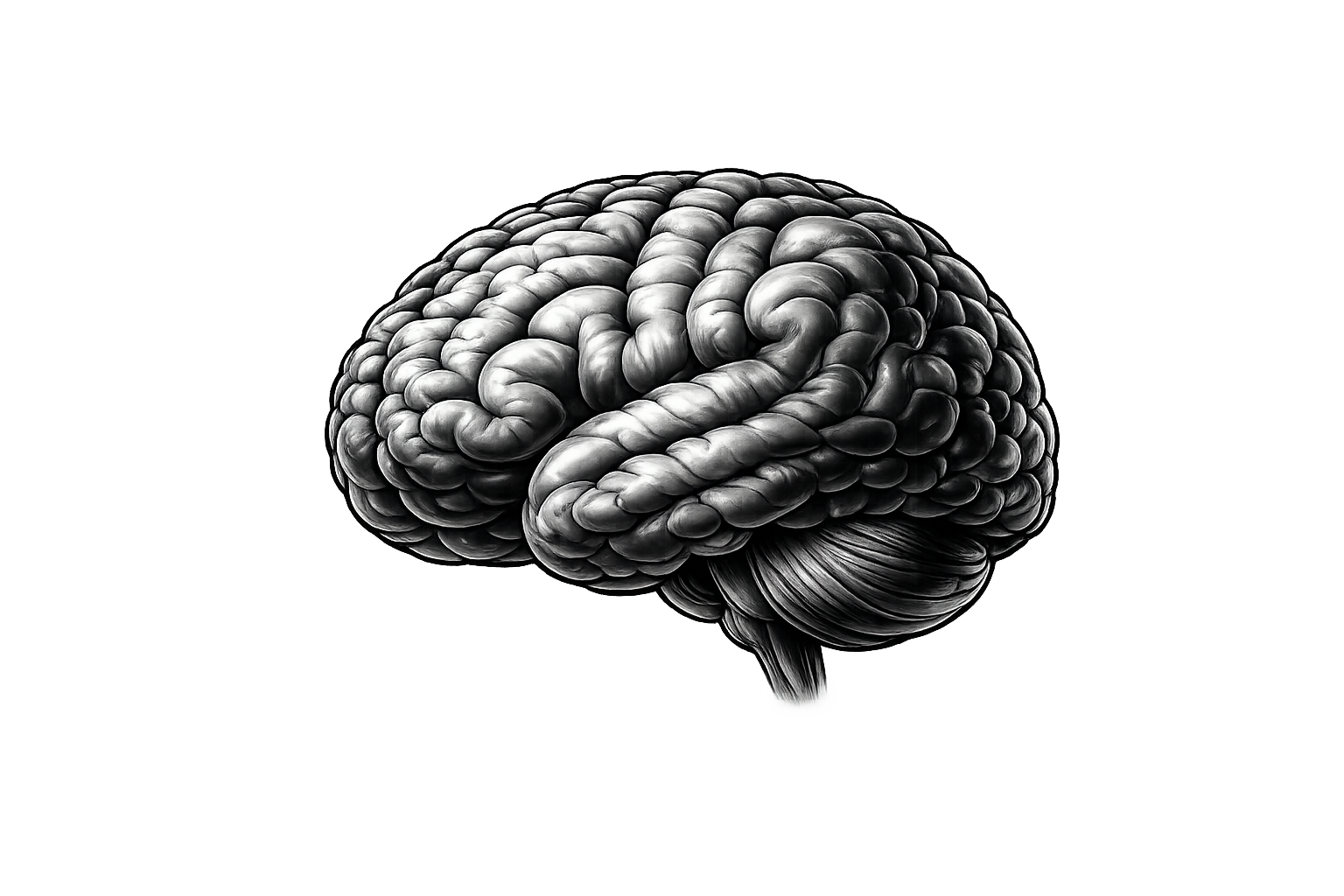
Brain Music Science
Music designed to influence emotional and cognitive states, grounded in neuroscience
AISH explores the intersection of music, emotion, and neuroscience creating sound designed to influence how we feel and think.
EXPERIENCE 🎧
Brain Music Science ♪
This isn’t music It’s Neuroacoustic Intelligence
Brain Music Science: How Music Affects the Brain and Emotion
Music and Science The Neuroacoustic Intelligence Approach
Brain music science explores how sound interacts with the brain’s neural architecture, shaping emotion, cognition, and physical response in measurable ways.
At AISH, we explore how sound interacts directly with the brain’s neural architecture shaping emotion, cognition, and physical response in measurable ways.This is where music meets neuroscience.
This is Neuroacoustic Intelligence.
The Neuroscience of Music and Emotion
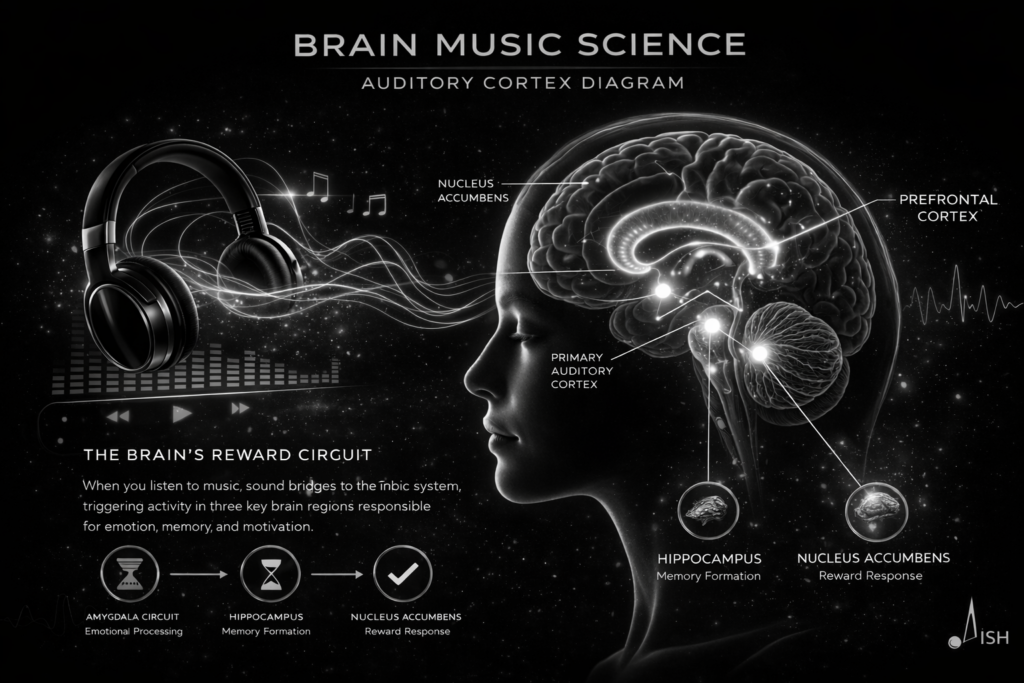
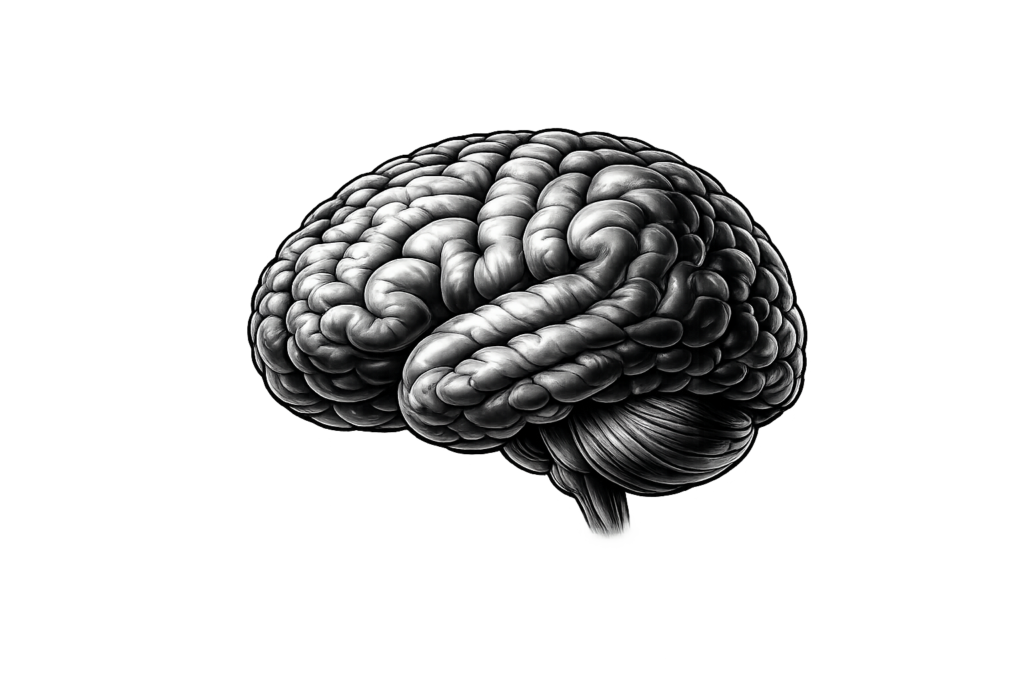
This brain music science diagram illustrates how the auditory cortex and related neural systems process sound and emotion
From a neuroscience perspective, music engages the brain’s limbic system, the network responsible for emotional processing, memory, and reward. When structured sound is perceived, it activates key regions such as the amygdala, hippocampus, and nucleus accumbens, creating immediate and measurable emotional responses.
One of the central mechanisms behind this process is the release of dopamine, a neurotransmitter associated with pleasure, motivation, and reinforcement. Studies have shown that certain musical patterns particularly those involving anticipation, tension, and resolution can stimulate dopamine pathways in a way comparable to other rewarding stimuli.
This is why music can:
- Elevate mood within seconds
- Reduce stress and emotional tension
- Create deep states of engagement and immersion
- Trigger vivid emotional memories
But the effect goes beyond passive listening.The brain continuously predicts and interprets sound patterns. When music aligns with or subtly challenges these expectations, it generates a dynamic interaction between cognition and emotion a process that makes music uniquely capable of influencing internal states.
At a deeper level, this interaction reveals something fundamental:
Emotion is not just expressed through music it is shaped by it.
This understanding forms the foundation of neuroacoustic approaches, where sound is no longer treated as art alone, but as a precise tool to influence emotional regulation and cognitive performance.
Music for Anxiety and Pain Relief
Music is not only perceived it is processed as a physiological signal that can influence how the brain regulates stress and pain.
In both clinical and neuroscience contexts, structured sound has been shown to modulate the brain’s response to anxiety and discomfort by interacting with neural systems responsible for emotional regulation and sensory perception.
When exposed to specific sound patterns, the brain can reduce activity in regions associated with stress while enhancing pathways linked to relaxation and control. This process involves the regulation of key biomarkers, including decreased cortisol levels and increased dopamine activity, contributing to a measurable shift in mental and physical state.
Brain music science dopamine response music
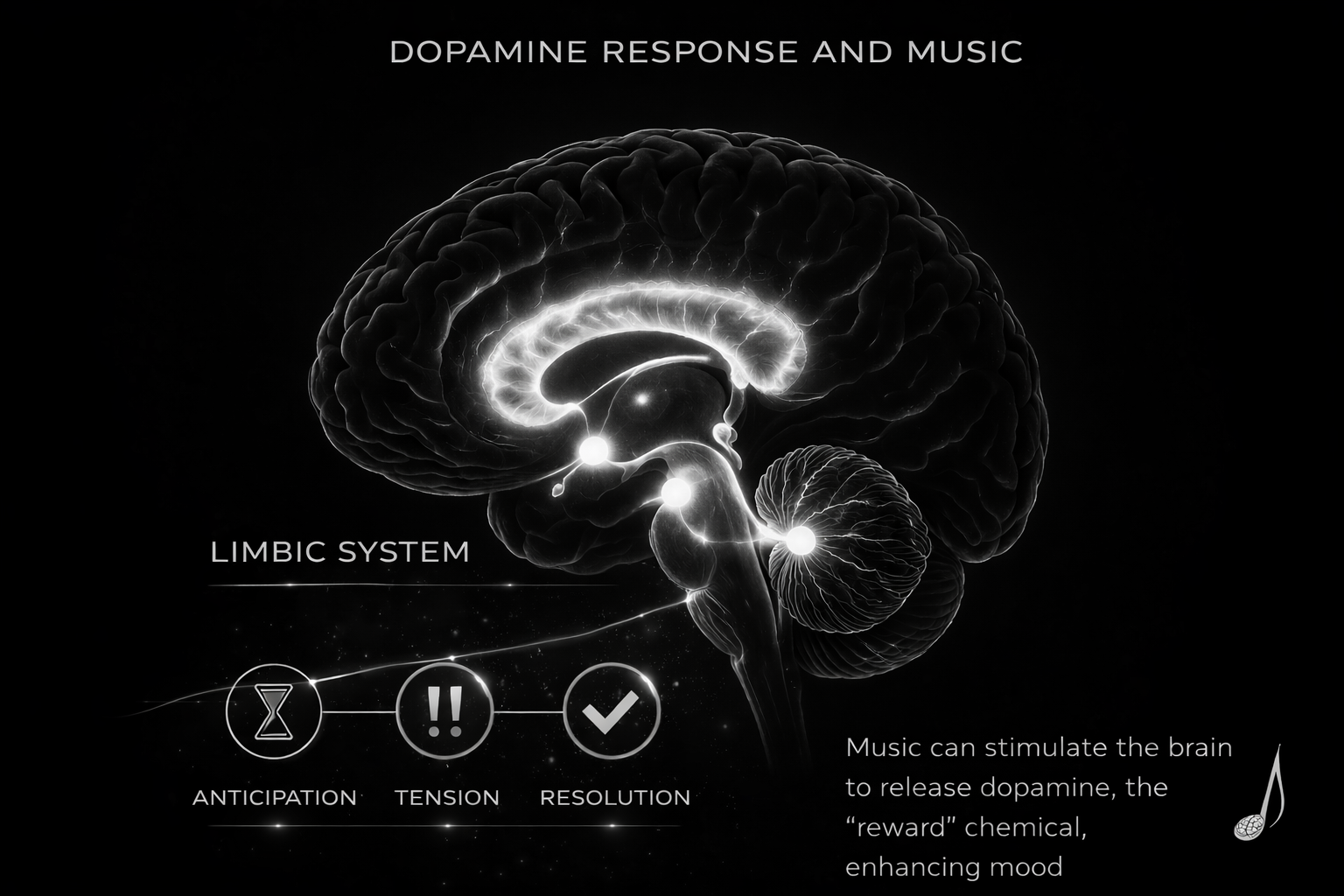
This brain music science visualization shows how music stimulates dopamine release and influences emotional and cognitive states
As a result, music can:
- Reduce perceived pain intensity
- Lower stress and anxiety levels
- Promote physiological relaxation
- Support emotional stability under pressure
Importantly, these effects are not purely psychological they are neurological.
Sound influences how the brain interprets signals from the body. By altering attention, expectation, and emotional context, music can reshape the perception of pain and reduce its impact on conscious experience.
This is why music-based interventions are increasingly used in medical environments, from surgical recovery to chronic pain management, as well as in high-performance settings where stress regulation is critical.
Within the framework of Neuroacoustic Intelligence, sound is no longer used passively.
It is designed with intent to regulate, to stabilize, and to optimize how the brain responds to internal and external stressors.
Brain music science is redefining how we understand the relationship between sound, emotion, and brain function.
Experience Neuroacoustic Intelligence
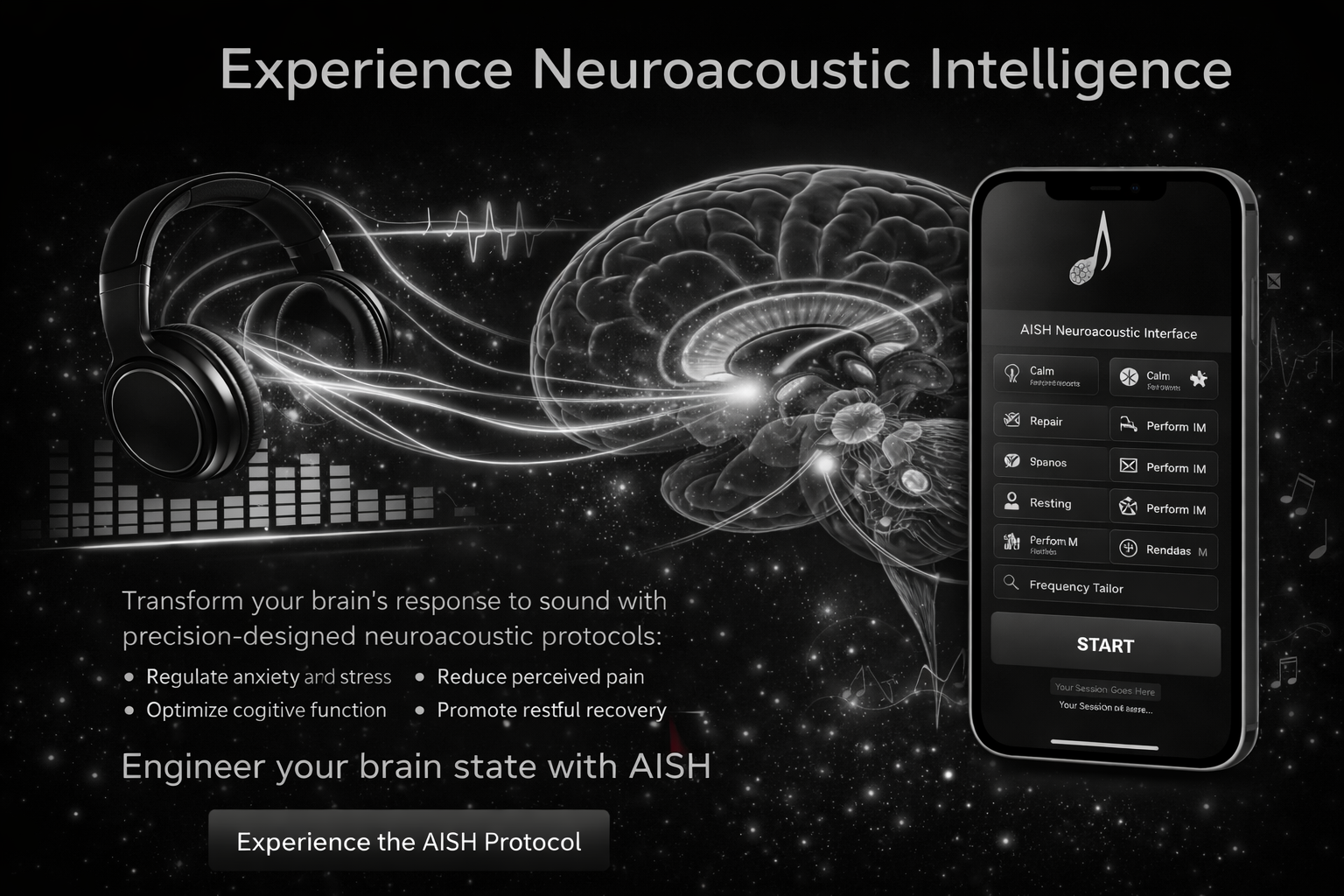
Neuroacoustic Intelligence Experience
Understanding how music affects the brain is only the beginning.
At AISH, we transform brain music science into precision-designed neuroacoustic protocols — engineered to regulate anxiety, reduce perceived pain, and optimize cognitive performance.
This is not music for passive listening.
It is sound designed with intent.
Each protocol is built to guide the brain toward a specific state:
- Calm and emotional stability
- Reduced stress and anxiety
- Enhanced focus and mental clarity
- Deep recovery and relaxation
We don’t make music.
We engineer brain states.
Start Your Experience
Discover how Neuroacoustic Intelligence can transform the way your brain responds to sound.

No subscription required. Immediate acces
At its core, brain music science explores how sound interacts with the brain’s neural architecture, shaping emotion, cognition, and physical response in measurable ways
Frisson and the Brain: The Neuroacoustic Impact of AISH Music
Overview
Frisson commonly described as a sudden emotional and physiological response to sound is not random. At AISH, we design music to intentionally engage this response through Neuroacoustic Intelligence, Neural Harmonics, and neuroscience-based composition.
What is Frisson?
Frisson is a measurable neurophysiological reaction involving dopamine release, autonomic nervous system activation, and heightened sensory perception. It is often triggered by specific auditory patterns such as harmonic shifts, dynamic contrast, and frequency modulation.
AISH 13 SENSES
Applied Psychoacoustic Study: Musical Perception Without Visual Stimulus 13 SENSES
Object of study: Emotional and cognitive response of the listener to a musical piece presented without visual narrative.
Methodology: Exposure to pure sound stimulus accompanied by a neutral static image, eliminating visual variables that condition interpretation.
Hypothesis: The absence of visual stimulus enhances the emotional connection and imagination of the listener, generating a unique and unrepeatable subjective experience.
Expected results: Each listener will construct their own meaning, demonstrating that music transcends the need for an imposed narrative.
AISH Approach
Through the integration of neuroscience and advanced sound design, AISH music is engineered to interact with the brain on multiple levels:
- Neural Harmonics: Structured frequency relationships designed to resonate with brainwave activity
- Dynamic Tension Mapping: Controlled build-up and release patterns to stimulate emotional peaks
- Psychoacoustic Precision: Spatial and spectral techniques that enhance perceptual immersion
- Neuroacoustic Intelligence: Data-informed composition targeting cognitive and emotional responses
Applications
AISH neuroacoustic compositions are developed for:
- Film and TV soundtracks (emotional amplification)
- Cognitive enhancement and focus
- Therapeutic and wellness environments
- Experimental and immersive audio experiences
Outcome
The result is not only music—but a designed neural experience. AISH compositions aim to trigger frisson with intention, creating measurable impact on perception, emotion, and cognitive state.
Explore the intersection of sound and neuroscience. Connect with AISH
AISH PROJECT
Music, neuroscience and emotional awareness
AISH explores how sound can support relaxation, reduce stress and improve mental focus through neuroscience-inspired music.
This independent project investigates the connection between sound, the brain and emotional perception, creating immersive experiences designed to engage both mind and body. Support the project
Neuroscience-inspired Sound designed with emotional and cognitive awareness
Stress & focus Exploring how sound can support calm and attention
Emotional perception Investigating how sound shapes feeling and awareness
Independent research Artist-led exploration at the intersection of sound and mind